Middle School
Independence Takes Practice
MIDDLE SCHOOL | GRADES 6-8
Middle School is when learning becomes personal: students take charge of their work, develop their voice, and find their place in the community.
At Bancroft, students practice independence with guidance close by. They ask bigger questions, study Worcester and the wider world, build confidence as writers and speakers, explore world languages and cultures, and grow through the traditions and relationships that make Middle School its own community.
What Makes You Curious?
INQUIRY
In Middle School, student questions become more complex. They may be asked:
How does where we live shape what we learn?
Students use Worcester as a starting point for understanding larger stories in American history, including industry, reform, immigration, geography, and current events.
What happens when students step into a global conversation?
Model United Nations brings research, writing, public speaking, global awareness, and collaboration together as students explore world issues from multiple perspectives.
How do we test ideas in the real world?
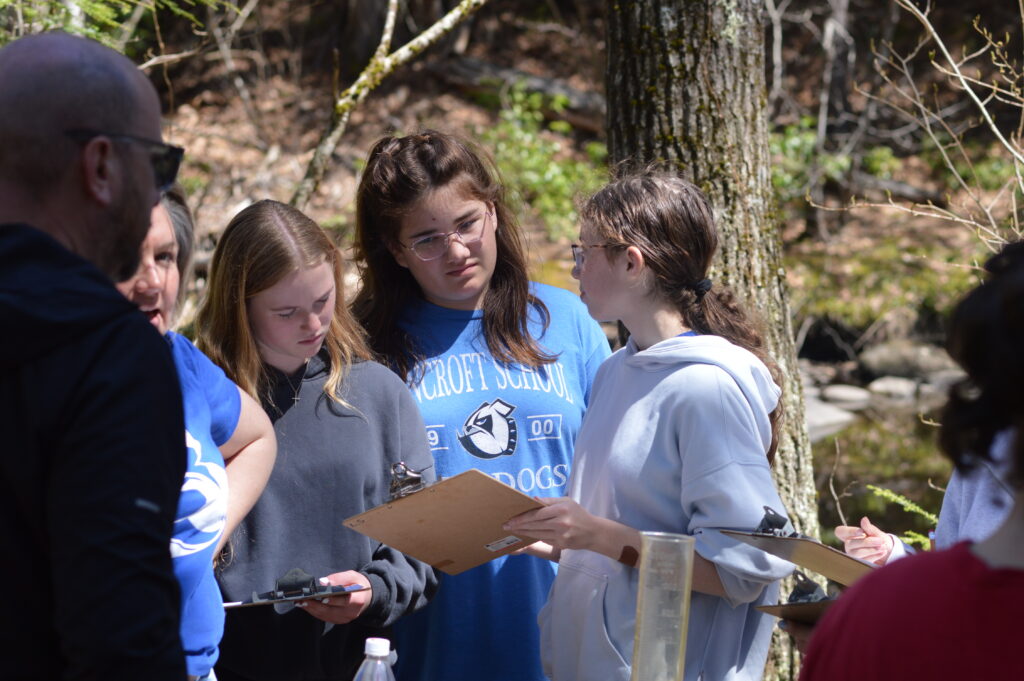
Across Bancroft, students learn by doing. Younger students plant gardens, observe growth, and begin to understand the natural systems around them. As students move into Middle School, those questions become more complex. They study ecosystems through experiences such as Trout in the Classroom, collect and analyze data, build and test designs, and research methods to propel a model rocket. Science becomes active, hands-on, and connected to the world students can observe, question, and change.
THEN IT GROWS: Students take on capstone experiences that bring research, writing, collaboration, design, presentation, and reflection together. Middle School students use real places, problems, and perspectives to deepen their learning.
Students Build a Wider Circle
COMMUNITY
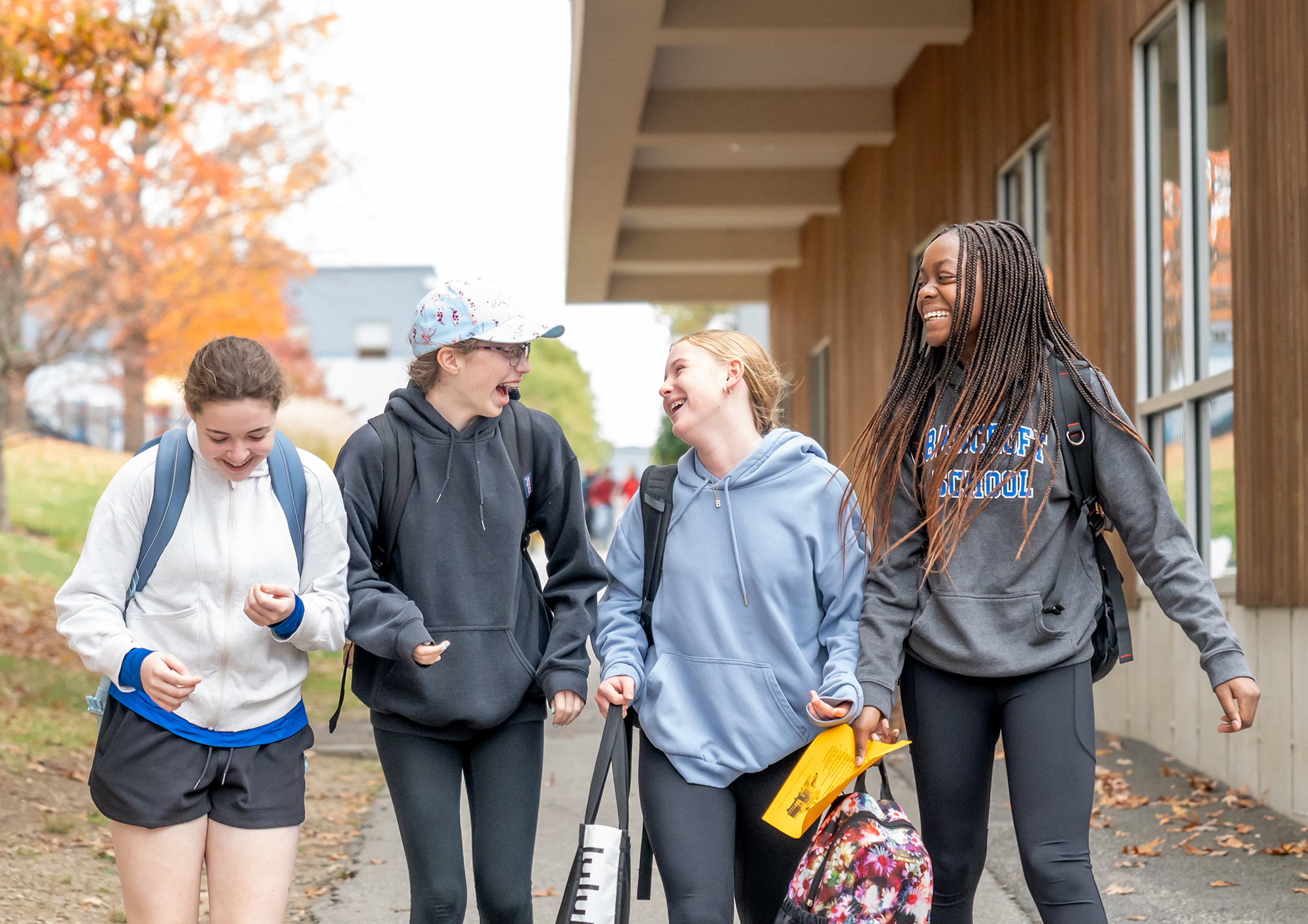
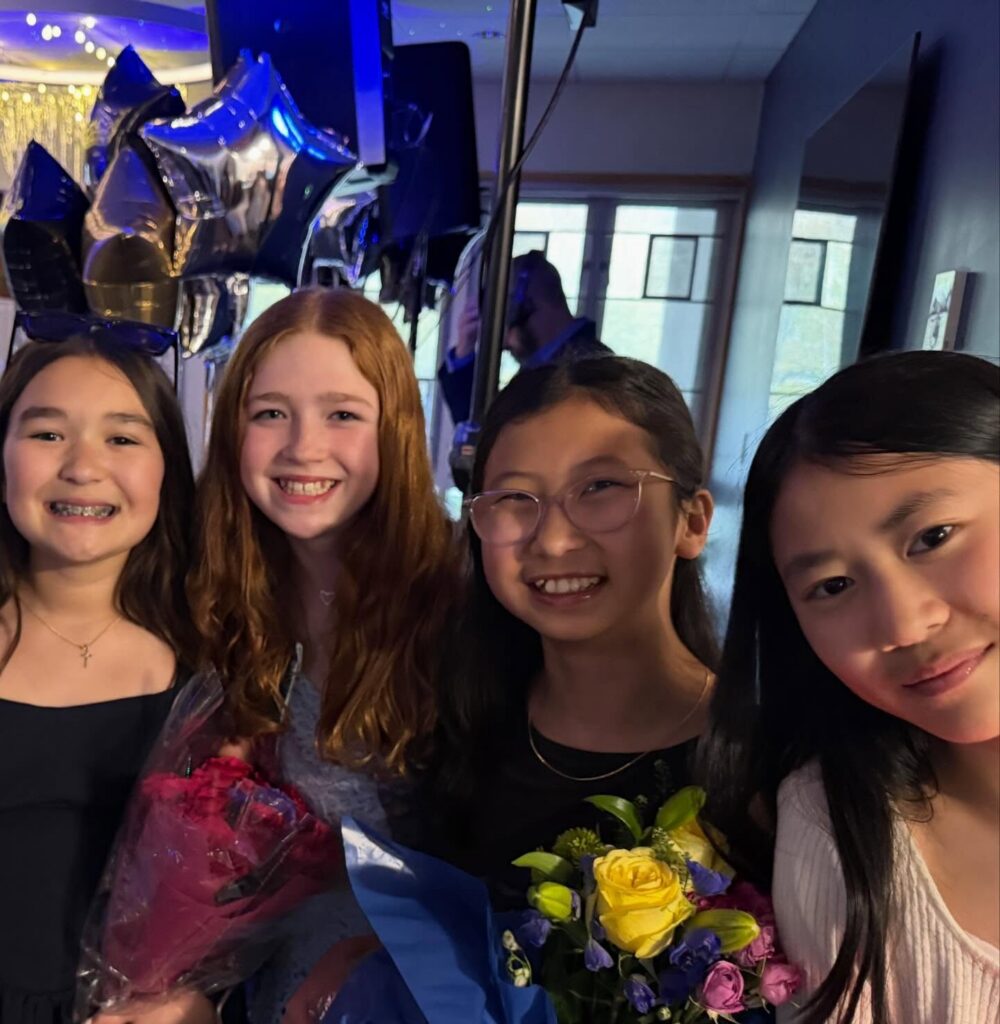
From Grades 6–8, Middle School students begin to connect beyond a single classroom or grade. During these years clubs gives students a chance to explore interests, spend time with friends, and try something new.
Leadership Begins
Forums, student-led assemblies, advisory, and the Seven Hills-inspired House System give students opportunities to participate, lead, and contribute.
Middle School Traditions
Dances, socials, tailgates, Snow Day, House activities, clubs, and Middle School athletics help students feel connected to the life of the division.
THEN IT GROWS: Students practice independence while building friendships, confidence, responsibility, and a stronger sense of how they contribute to the community.
Learning Moves across Subjects and Experiences
CONNECTION
Middle School students connect ideas across classes, projects, field trips, and community experiences.
Students may be asked:
How does math help us understand the world?
Students solve, reason, explain, and apply as they build confidence with numbers, patterns, equations, proportions, probability, statistics, and algebraic thinking. Advanced math students may join the Upper School math courses.
How can my voice make a difference?
Students practice voice through writing, discussion, presentations, Forums, student-led assemblies, Model UN, clubs, advisory, and performance.
THEN IT GROWS: By Grade 8, students are ready for more complex work, stronger expectations, and the transition to Upper School.
Middle School Values
Hang around the Middle School long enough, and you’ll hear it.
“E-I-E…”
“C-E!”
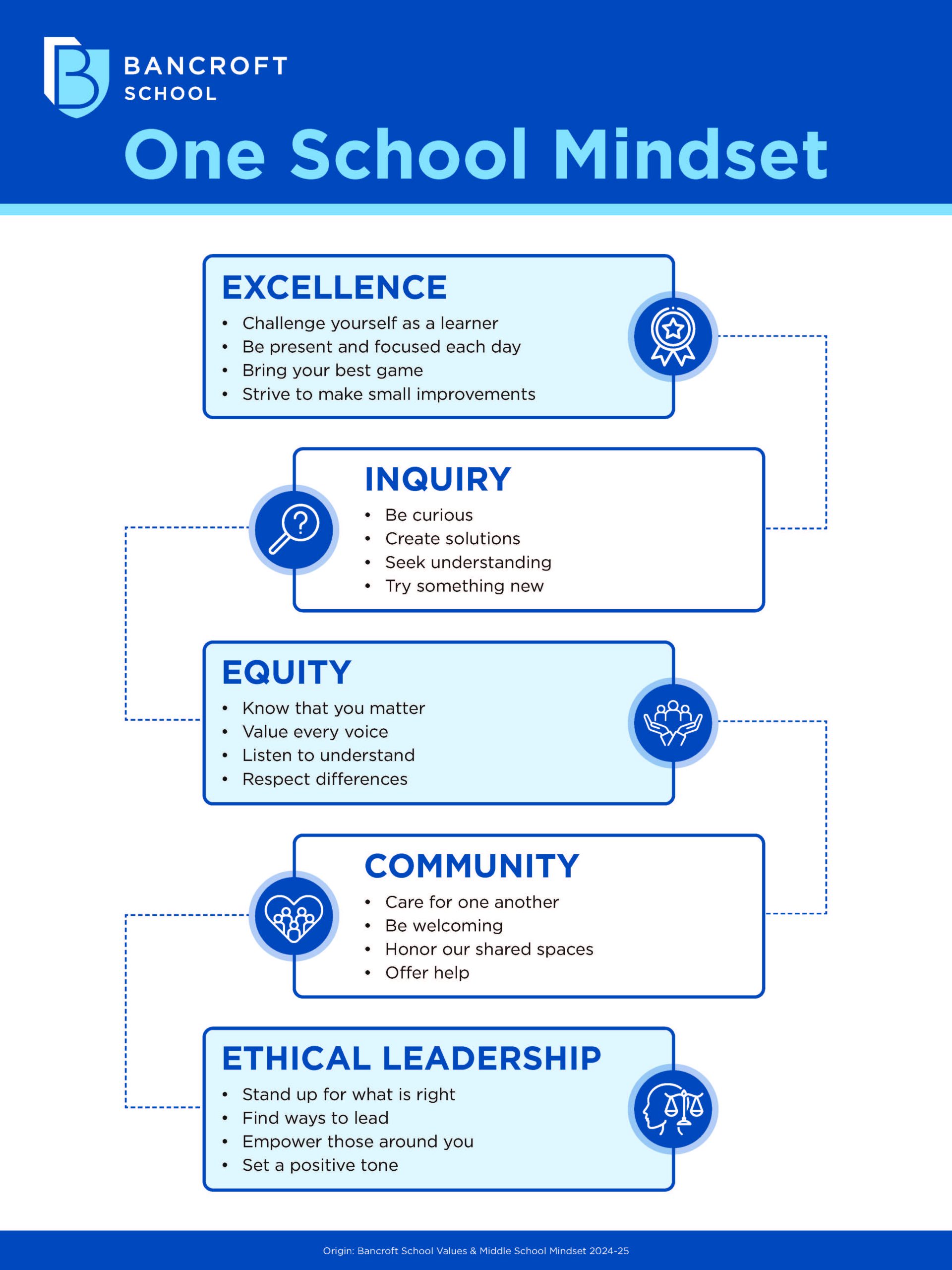
What began as a way to help students connect with Bancroft’s core values has become part of the culture. Created by Middle School students and faculty, what started as the Middle School Mindset translates Excellence, Inquiry, Equity, Community, and Ethical Leadership into a shared language of expectations.
Through phrases like “Bring Your Best Game,” “Be Curious,” and “Value Every Voice,” students take ownership of the values that shape our community. But more than a framework, the now One School Mindset reflects what it means to learn, lead, and contribute at Bancroft.
Walk through campus today and you’ll discover these values are visible in classrooms across all divisions, keeping our responsibilities front and center.
Voice, Design, and Curiosity at Work
Voice
Middle School students move from sharing ideas to supporting, explaining, and advocating for them.
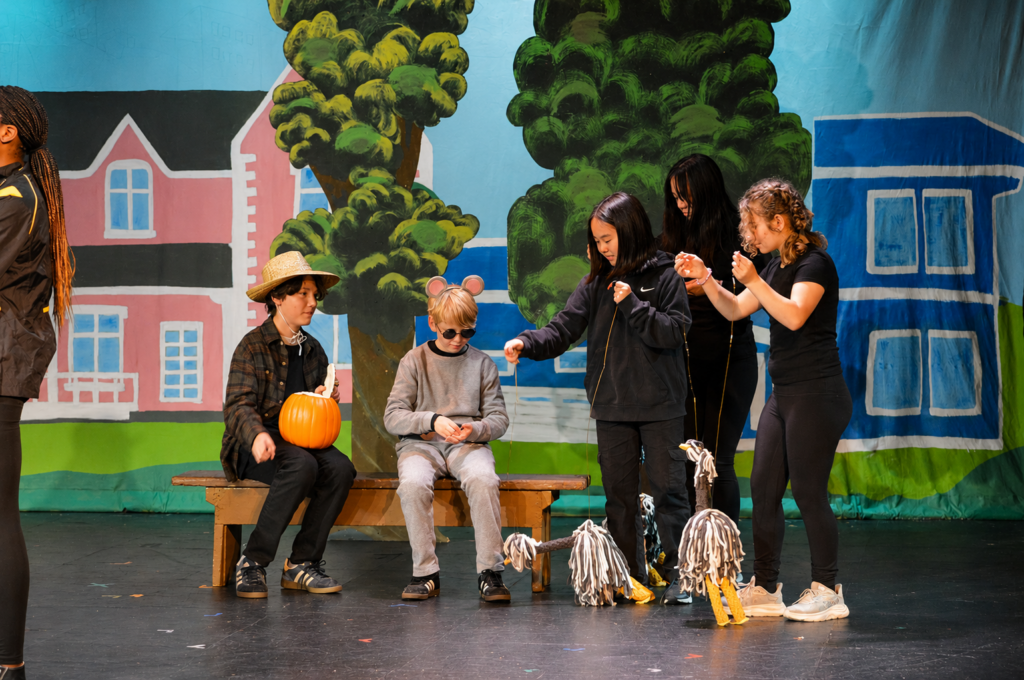
They practice voice through class discussion, writing, presentations, Forums, student-led assemblies, Model United Nations, advisory, performances, and community moments.
Design
Design in Middle School is not limited to robotics or engineering.
Students design experiments, arguments, presentations, exhibits, solutions, performances, and projects. They learn to test ideas, revise their thinking, collaborate with others, and explain the choices they make.
Curiosity
Middle School students ask bigger questions.
They investigate community, identity, history, language, culture, science, ecosystems, global issues, and themselves as learners. Curiosity becomes more independent, more complex, and more connected to the world around them.
New for 2026–2027: Meet the Robopups
THE ROBODOGS HAVE COMPANY.
Beginning in the 2026–2027 academic year, Middle School students can join the Robopups, a new robotics opportunity for younger builders, coders, problem-solvers, and future Upper School Robodogs.
It’s another way Bancroft students can try something new, work as a team, and see where curiosity can take them.
Middle School Matters
BROOK TROUT PROJECT
Raising brook trout was only the beginning. This spring, Bancroft’s 8th graders brought their learning to the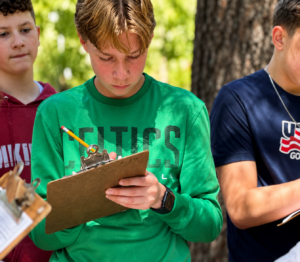 Quinapoxet River, connecting their classroom work to a living ecosystem. There, students applied the scientific concepts they had been studying by conducting a series of environmental assessments to evaluate the river’s health. Working in teams, they tested water quality indicators including temperature, pH, turbidity, and ammonia levels, while also searching for macroinvertebrates, important biological indicators of ecosystem health. By collecting and analyzing real-world data, students gained a deeper understanding of how environmental conditions impact aquatic life and the delicate balance of a river ecosystem. To conclude the experience, students shared their findings and used evidence from their investigations to determine whether the river would provide a suitable habitat for the trout they had raised. The project brought together biology, ecology, data analysis, and environmental stewardship, giving students an authentic opportunity to put their science skills into action and connect classroom learning to the natural world.
Ready to Take a Deeper Dive?
The Middle School Curriculum Guide gives families a closer look at courses, skills, projects, field experiences, and capstone work across Grades 6–8.
Ready for What Comes Next
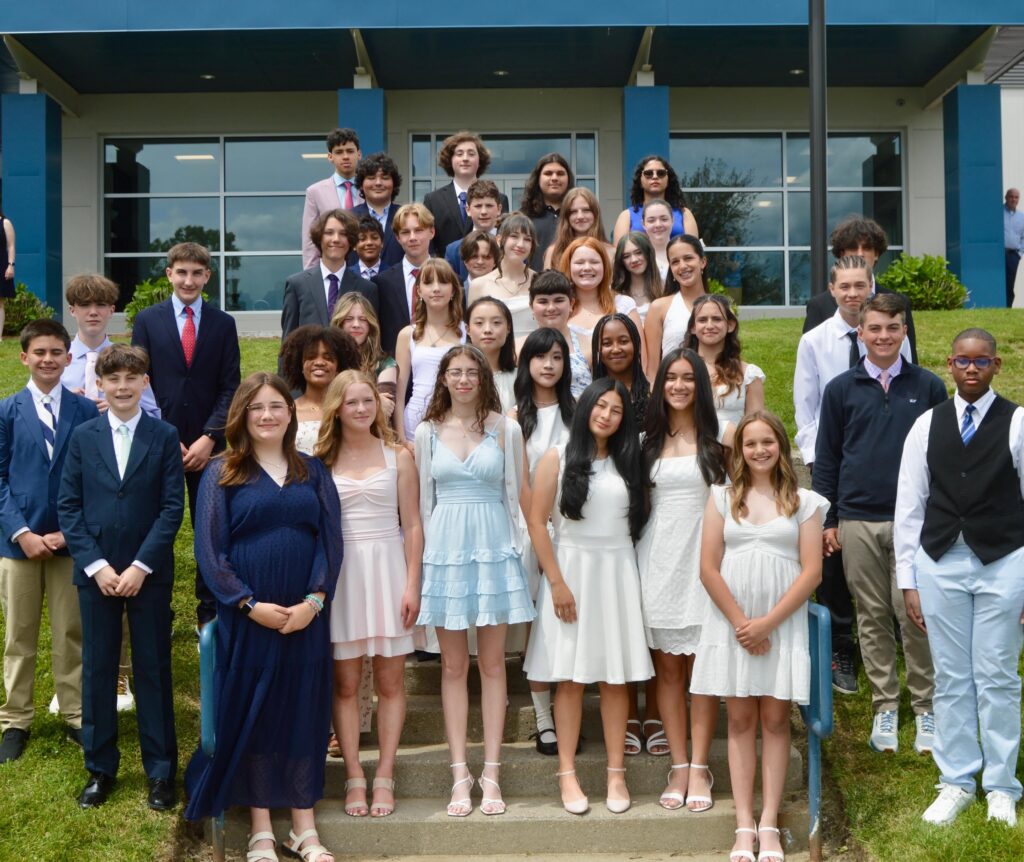
By the end of Grade 8, students have practiced the habits they need for Upper School: asking thoughtful questions, managing more complex work, using their voice, collaborating with others, and contributing to community.
They leave Middle School with confidence, connection, and a stronger sense of what they can contribute.